





What Is the Difference Between IPL, Laser & Chemical Peels?
If you’ve been researching professional skin treatments, you’ve probably come across IPL, laser treatments and chemical peels. They’re commonly recommended for concerns such as pigmentation, redness, acne, uneven skin tone and signs of ageing, making it difficult to know which is right for you.
It’s one of the most common questions we hear at Irresistible Skin Clinic. Many people assume these treatments do the same thing, when they’re actually designed to treat different concerns and work differently.
Understanding those differences is the first step towards making an informed decision. Rather than choosing a treatment because it’s popular or recommended online, it’s important to understand what your skin needs and which option may be most suitable.
Why Are IPL, Laser & Chemical Peels Often Confused?
It’s easy to see why these treatments are often compared. They can all improve the appearance of the skin and are regularly recommended for concerns such as pigmentation, redness, acne and ageing.
Adding to the confusion, terms like laser facial are sometimes used as a catch-all phrase, even though not every treatment uses the same technology. While IPL and laser treatments both use light energy, they work differently, and chemical peels take an entirely different approach.
Rather than asking which treatment is best, it’s more helpful to understand what each treatment is designed to do and which skin concerns it may be most suitable for.
What Skin Concerns Are People Usually Trying to Treat?
Most people don’t start by searching for a particular treatment. They’re looking for a solution to a skin concern that’s affecting their confidence or hasn’t improved with skincare alone.
Some of the most common concerns include:
Pigmentation and sun damage
Facial redness and thread veins
Acne and post-acne marks
Uneven skin tone
Fine lines and early signs of ageing
Enlarged pores
Dull or tired-looking skin
Rough skin texture
Although several professional treatments may help improve these concerns, they don’t all work in the same way. Understanding the cause of the problem is often just as important as choosing the treatment itself.
How Do IPL, Laser & Chemical Peels Compare?
Although IPL, laser treatments and chemical peels are often grouped together, they each work differently and are designed to target specific skin concerns.
Skin Concern | IPL | Laser | Chemical Peel |
Pigmentation | ✓ Commonly used for sun damage and age spots | ✓ Can treat some pigmentation concerns depending on the laser | ✓ Often suitable for superficial pigmentation |
Facial redness | ✓ Frequently recommended | May be suitable for some vascular concerns | Not usually the first choice |
Acne | Can improve post-acne marks and inflammation | Some laser treatments may help acne scarring | Commonly used for active acne and congestion |
Fine lines | Supports collagen production | Some laser treatments target skin rejuvenation | Improves skin texture and overall skin quality |
Dull skin | Brightens overall complexion | Can improve skin texture and radiance | Encourages skin renewal and a brighter complexion |
Tattoo removal | ✗ | ✓ Specifically designed for this purpose | ✗ |
While there is some overlap, no single treatment is right for every concern. The best option depends on what you’re hoping to improve, your skin type and how your skin responds to treatment.
When Might IPL Be the Better Choice?
IPL, or Intense Pulsed Light, is often recommended when the concern sits beneath the skin’s surface, particularly where pigmentation or visible blood vessels are involved.
It may be suitable for concerns such as:
Sun damage
Age spots
Facial redness
Thread veins
Uneven skin tone
General skin rejuvenation
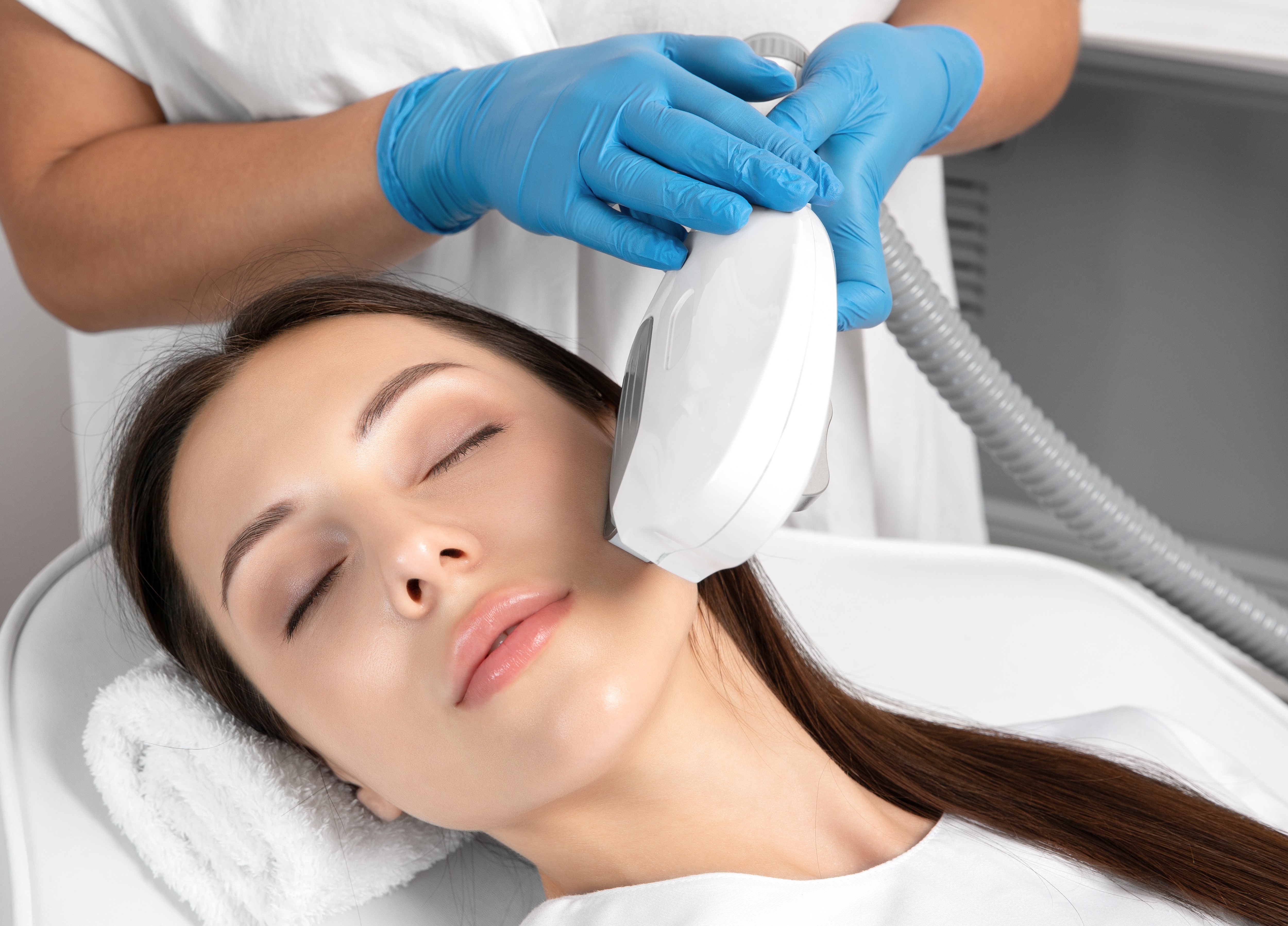
Unlike laser treatments, IPL uses broad-spectrum light rather than a single wavelength. This allows it to target multiple concerns during the same course of treatment, making it a popular option for improving overall skin clarity.
At Irresistible Skin Clinic, IPL technology is incorporated into treatments such as the illumiFacial and ReBright 585, helping improve skin tone, reduce redness and support healthier-looking skin over time.
When Is A Laser Treatment More Appropriate?
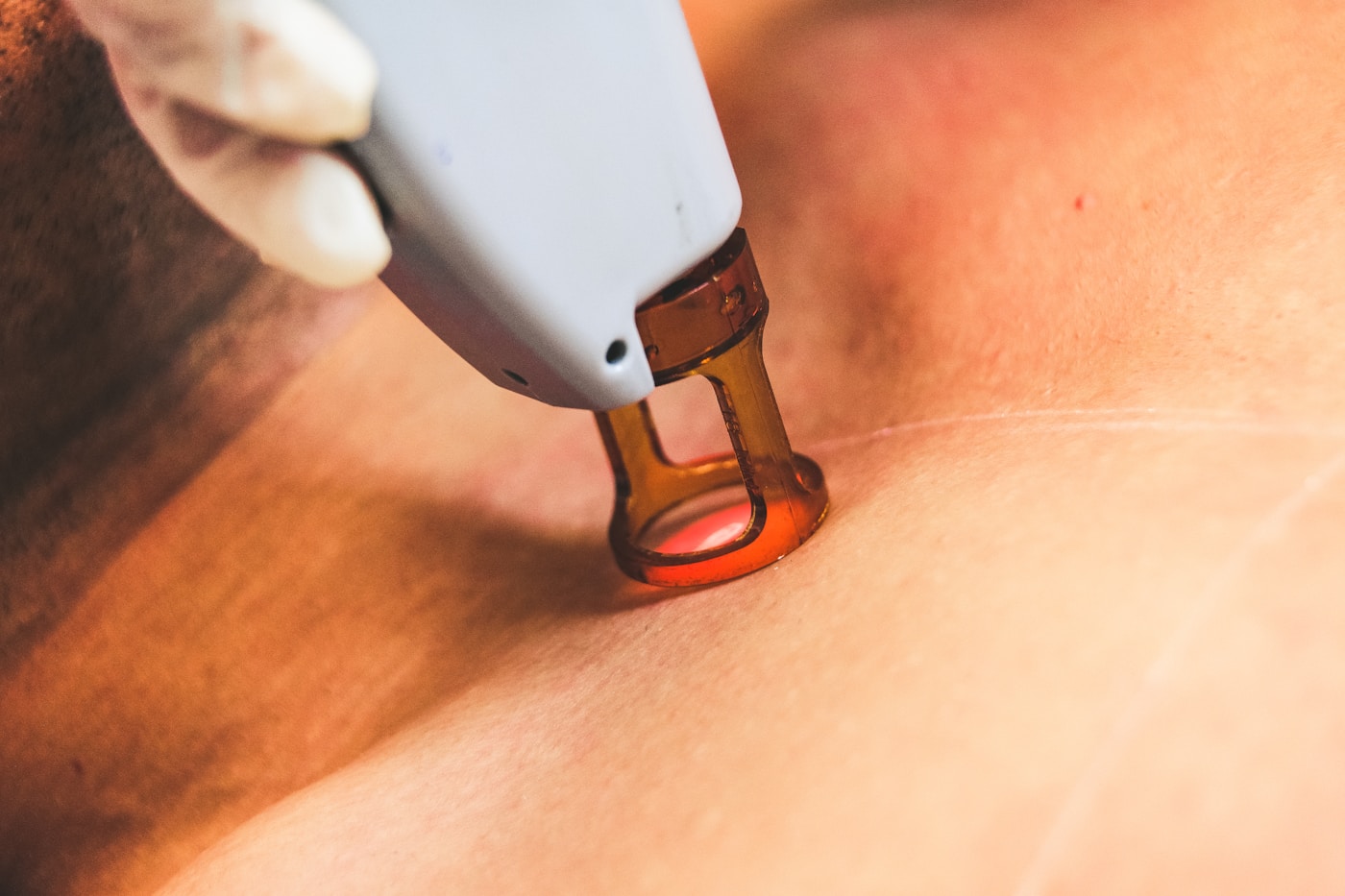
Laser treatments use a concentrated beam of light to target a specific concern with greater precision.
Rather than one laser being suitable for every skin concern, different types of laser are designed for different purposes. This means the treatment recommended will depend on what you’re hoping to achieve.
For example, our Charcoal Carbon Laser Facial combines a carbon mask with a Q-Switched Nd:YAG laser. The carbon absorbs excess oil and impurities before the laser removes the carbon particles, deeply cleansing the skin while encouraging collagen production.
This treatment is commonly chosen by clients looking to improve:
Acne and acne scarring
Enlarged pores
Hyperpigmentation
Excess oil production
Fine lines
Overall skin radiance
Laser technology is also used for treatments such as tattoo removal, showing how different laser systems can be adapted for different skin concerns.
When Could A Chemical Peel Be The Right Option?
Chemical peels work differently from IPL and laser treatments because they don’t use light energy.
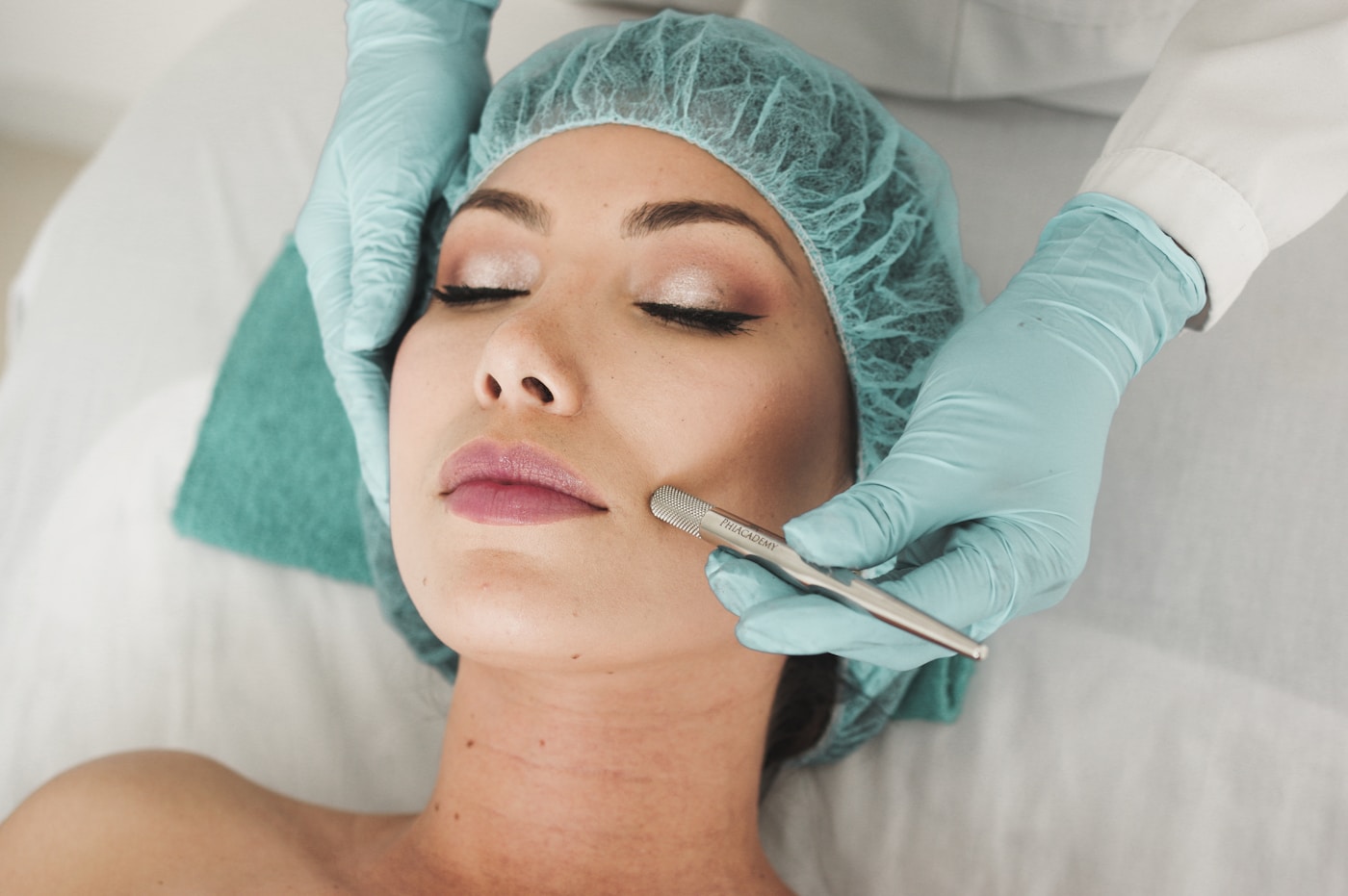
Instead, they use carefully selected acids to exfoliate the outer layers of the skin and encourage natural cell renewal. As older skin cells are replaced, the complexion can appear smoother, brighter and more even.
Professional chemical peels may be recommended for:
Surface pigmentation
Acne-prone skin
Congestion
Uneven skin tone
Fine lines
Dull skin
One of the benefits of professional chemical peels is that they can be tailored to different skin concerns. At Irresistible Skin Clinic, Alumier MD peels are available in formulations designed to target blemishes, dehydration, pigmentation, uneven skin tone and signs of ageing. This means treatment can be selected for your individual skin rather than using the same peel for everyone.
Can Treatments Be Combined?
In many cases, yes.
Professional treatment plans don’t always rely on a single treatment. Depending on your skin concerns, different treatments may be used over time to improve multiple aspects of skin health.
For example, someone experiencing pigmentation alongside uneven skin texture may benefit from a combination of treatments rather than relying on just one approach. Similarly, a client looking to improve redness while also addressing early signs of ageing may achieve better results with a personalised treatment plan than a single standalone treatment.
The most appropriate approach depends on your skin, your concerns and your long-term goals, which is why professional assessment is always recommended before beginning treatment.
Why Professional Skin Advice Matters
One of the biggest misconceptions about skin treatments is that everyone with the same concern needs the same solution.
In reality, two people with similar-looking skin may require completely different treatment approaches.
For example:
Pigmentation caused by sun damage may respond differently to pigmentation caused by hormonal changes.
Persistent facial redness may be linked to rosacea, broken capillaries or general skin sensitivity.
Acne scarring often requires a different treatment approach to active acne.
This is why professional skin advice is so valuable. A thorough consultation helps identify both the visible concern and its underlying cause, ensuring the most appropriate treatment is recommended.
At Irresistible Skin Clinic, every treatment recommendation is based on your skin concerns, lifestyle and goals, creating a personalised treatment plan rather than a one-size-fits-all approach.
You can learn more about our personalised approach on our About page.
Can You Improve Your Results After Treatment?
Whichever treatment you choose, maintaining good skin health afterwards plays an important role in supporting your results.
Simple habits can make a significant difference, including:
Wearing SPF every day to help protect against UV damage
Following the aftercare advice provided by your practitioner
Using skincare products suitable for your skin type
Avoiding picking or irritating healing skin
Attending any recommended follow-up appointments
Protecting your skin from ultraviolet (UV) exposure is one of the most effective ways to reduce sun damage and help prevent future pigmentation changes.
While no treatment can stop the natural ageing process, combining professional treatments with a consistent skincare routine can help keep your skin looking healthier for longer.
Supporting Clients Across Eastbourne & East Sussex
Irresistible Skin Clinic welcomes clients from Eastbourne and surrounding areas including Meads, Hampden Park, Willingdon, Pevensey Bay and across East Sussex.
Many people visit us because they’re unsure which treatment is right for their skin. Our focus is on providing honest advice, realistic expectations and personalised recommendations that support long-term skin health rather than simply choosing the latest treatment trend.
Is IPL the same as laser treatment?
Are chemical peels better than IPL?
Can IPL, laser treatments and chemical peels be combined?
Which treatment has the least downtime?
How do I know which treatment is right for me?
Understanding Your Skin Is The First Step
IPL, laser treatments and chemical peels can all improve skin health, but they aren’t interchangeable. Each has its own strengths, and the most suitable option depends on your individual skin concerns rather than simply choosing the latest or most popular treatment.
Understanding how these treatments differ can help you make informed decisions and choose an approach that’s right for your skin and goals.
At Irresistible Skin Clinic, we believe every treatment journey should begin with understanding your skin. Whether you’re concerned about pigmentation, redness, acne, uneven skin tone or signs of ageing, we’re here to provide honest, personalised advice to help you explore your options.