





Pigmentation Problems? Start To Treat Your Pigmentation in Spring
Pigmentation Problems? Start To Treat Your Pigmentation in Spring
Every year, as we transition out of winter and into brighter days, we see a noticeable rise in clients concerned about dark spots, uneven tone, and visible sun damage. You can strategically start to treat your pigmentation in spring and see the results by summer.
From our clinical experience, spring offers the ideal balance. UV levels are lower than summer, skin is typically less tanned, and there is enough time to complete a course of treatment before peak sun exposure returns. Acting now allows us to treat skin concerns safely and effectively, while preparing your skin for the months ahead.
In this blog, we explain why timing matters, which treatments deliver the best results, and how to protect your progress with practical, expert-led spring skincare tips.
Why Do Pigmentation Concerns Become More Noticeable in Spring?
Throughout winter, skin often becomes dehydrated and dull. Central heating, cold winds, and slower cell turnover create the perfect conditions for uneven tone to become more visible.
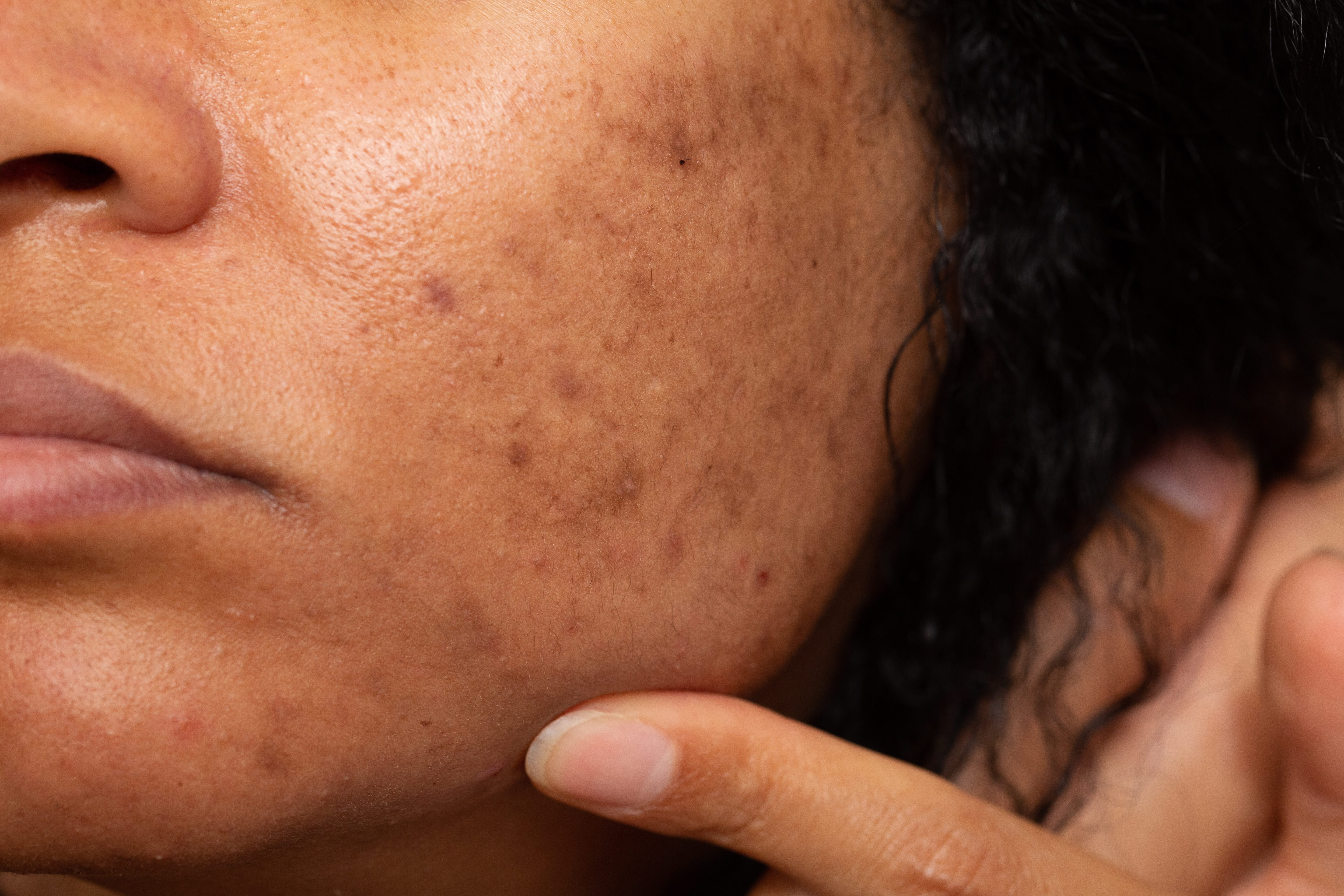
When natural daylight increases in spring, clients frequently notice:
Brown patches that appear darker
Freckles that have become more pronounced
Uneven texture
Persistent post-acne marks
In coastal areas such as Eastbourne, cumulative UV exposure over years plays a significant role. Even on overcast days, ultraviolet radiation penetrates the skin. According to NHS guidance, UV exposure is one of the primary contributors to pigmentation and premature ageing.
By spring, the damage from previous summers is often sitting just beneath the surface.
Why Do We Recommend Starting Pigmentation Treatment in Spring?
Is Skin in a Better Condition for Treatment?
Yes. After winter, skin is usually at its lightest baseline. This is important because many pigmentation treatments, particularly light-based therapies, work best when there is a strong contrast between the pigment and the surrounding skin.
In spring:
Skin is typically untanned
UV intensity is lower
Healing risk is reduced
Results are more predictable
We find that clients who begin treatment now experience smoother recovery and fewer complications.
Does Spring Reduce the Risk of Rebound Pigmentation?
One of the most frustrating issues with pigmentation is rebound darkening. If skin is exposed to strong UV rays during or shortly after treatment, pigment can return darker than before.
Spring allows us to minimise this risk. Lower UV levels mean treated skin is less likely to overreact during healing.
Which Treatments Do We Recommend for Sun-Damaged Skin at our Eastbourne Skin Clinic?
How Does IPL Target Pigment?
Intense Pulsed Light works by targeting melanin deposits beneath the skin. Light energy breaks down concentrated pigment clusters so the body can clear them naturally.
We often recommend IPL for:
Sun spots
Age spots
Freckles
Diffuse pigmentation
Vascular redness alongside pigmentation
Learn more about our Pigmentation & Rejuvenation treatments here.
For clients wanting an all-in-one glow boost, IllumiFacial can combine IPL with resurfacing elements:
Are Chemical Peels Effective for Pigmentation?
Absolutely. Chemical peels accelerate cell turnover, allowing superficial pigmentation to shed more quickly.
We use peels to:
Lift mild hyperpigmentation
Brighten dull winter skin
Improve uneven tone
Prepare skin before summer
Because peels increase photosensitivity, beginning in spring gives the skin time to stabilise before summer.
Can Microneedling Help with Uneven Tone?
Yes. Microneedling stimulates collagen production and improves overall skin quality. It can reduce post-acne pigmentation and improve texture irregularities linked to sun exposure.
We often combine microneedling with brightening serums for enhanced results.
What Professional Advice Do We Give Clients Starting Treatment?
Why Is Daily SPF Essential?
We cannot emphasise this enough. No pigmentation treatment will succeed long term without daily SPF.
Even in spring:
UV radiation penetrates clouds
UVA contributes to pigmentation
Treated skin is more vulnerable
We recommend broad-spectrum SPF 30 or higher, applied every morning and reapplied when outdoors.
Which Ingredients Support Pigmentation Correction?
At home, we guide clients towards evidence-based ingredients such as:
Vitamin C
Niacinamide
Kojic acid
Azelaic acid
Retinoids
These regulate melanin production and support healthy turnover. However, they should be introduced gradually and professionally supervised to avoid irritation, which itself can worsen pigmentation.
How Long Does It Take to See Visible Improvement?
One of the most common questions we hear is about timing.
Superficial pigmentation may begin improving within a few weeks. Deeper melasma or long-standing sun damage requires patience and consistency.
From our experience, clients who commit to:
A full treatment course
Consistent SPF
Targeted homecare
See the most sustainable results.
Pigmentation is rarely a one-session solution. It is a structured process.
Why Acting Now Makes a Difference
Delaying treatment until summer limits options. Strong UV levels increase risk, and many corrective procedures are not advisable during peak sun exposure.
By starting pigmentation treatment in spring, you:
Allow time for multiple sessions
Reduce risk of complications
Enter summer with improved clarity
Build healthier long-term habits
This proactive approach creates better skin resilience year after year.
When Should You Book a Consultation?
If you are unsure whether you have sun spots, melasma, post-inflammatory pigmentation, or a combination, a professional assessment is essential.
Our Skin Consultations allow us to:
Diagnose pigment type
Identify triggers
Build a personalised treatment plan
Advise on medical-grade skincare
Book a Skin Consultation | Explore All Treatments
Final Thoughts from Our Clinic
Pigmentation is one of the most common concerns we treat, and timing genuinely matters.
Spring offers a strategic opportunity. UV levels are manageable, skin is receptive, and there is sufficient time to complete a safe treatment course before summer intensifies.
If you are concerned about sun-damaged skin or simply want clearer, brighter skin before the warmer months, now is the moment to act.
Addressing pigmentation early protects your skin not just for this season, but long term.