





Are Chemical Peels Safe for My Skin?
If you are considering a chemical peel, it is understandable to wonder whether the treatment is safe for your skin.
Professional chemical peels can be suitable for a range of skin concerns, but they are not one standard treatment and are not automatically appropriate for everyone. Different formulations can be used for concerns such as blemishes, congestion, pigmentation, uneven skin tone, dullness and signs of ageing.
The important part is choosing a peel that is appropriate for your individual skin rather than simply choosing the strongest treatment available.
If you are new to this type of treatment, you can read more about professional chemical peels.
Are Chemical Peels Safe?
Professional chemical peels can be performed safely when an appropriate treatment is selected for the individual, but no professional skin treatment is completely without the possibility of temporary reactions or side effects.
Your suitability can depend on factors including:
Your skin type and current condition
Skin sensitivity
The concern being treated
Products you currently use
Previous professional treatments
Relevant medical history
How your skin has responded to previous treatments
This is why professional assessment matters.
A peel that is appropriate for one person’s skin may not be the right choice for somebody else, even if they appear to have a similar concern.
What Does a Chemical Peel Actually Do?
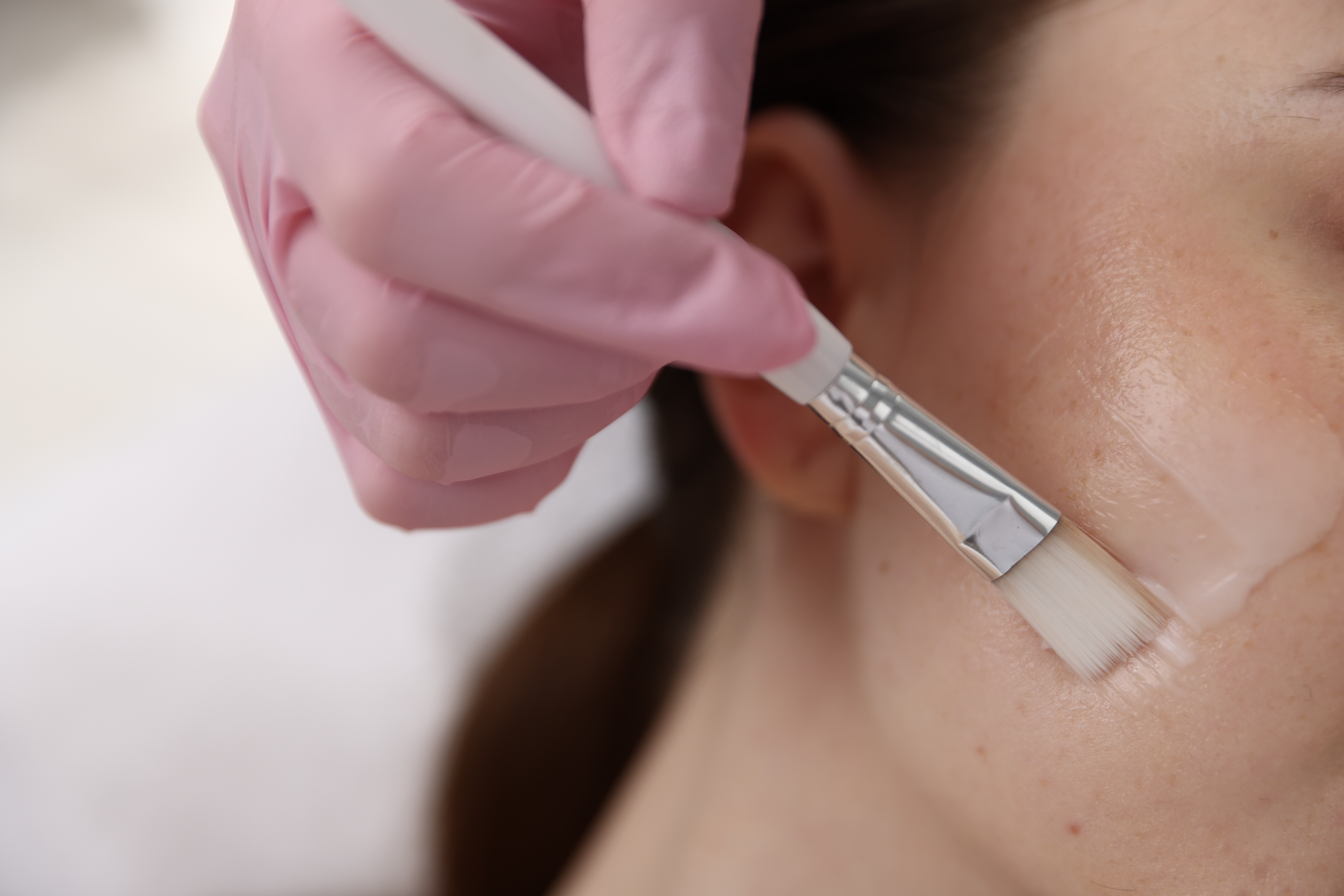
Chemical peels do not use IPL or laser energy. Instead, carefully selected acids are used to exfoliate the outer layers of the skin and encourage cell renewal.
Professional peels may be considered for concerns including surface pigmentation, acne-prone skin, congestion, uneven skin tone, fine lines and dullness.
The term “chemical peel” covers different formulations and treatment intensities, which is why it can be misleading to think of every peel as the same procedure. Professional assessment allows the treatment to be selected according to the skin concern being addressed.
Which Chemical Peels Are Available at Irresistible Skin Clinic?
Irresistible Skin Clinic offers professional AlumierMD chemical peels, with different options available according to individual skin needs.
These may be selected for concerns including:
Blemishes and congestion
Discolouration and uneven skin tone
Dull or rough-looking skin
Fine lines and signs of ageing
Dehydration
There are also professional treatments focused on moisturising, enzyme resurfacing and refining congested skin.
You can view the clinic’s chemical peel treatments and chemical peel pricing if you would like to understand the available options in more detail.
Are Chemical Peels Suitable for Sensitive Skin?
Having sensitive skin does not automatically provide a yes-or-no answer. Your skin can also become temporarily sensitised even if you would not normally describe it as sensitive.
Weather, sun exposure, recent professional treatments and active skincare products can all affect how your skin behaves. Skin that normally tolerates exfoliation may respond differently if it is currently irritated or compromised.
Tell your practitioner if your skin has recently become unusually dry, sore, irritated or reactive. Sometimes adjusting the treatment or waiting until the skin has settled may be more appropriate.
What Can Your Skin Look Like After a Chemical Peel?
Your skin’s response will depend on the treatment used and your individual skin.
Depending on the peel, you may experience temporary:
Redness
Sensitivity
Dryness
Tightness
Flaking or peeling
This does not mean that every chemical peel will cause significant visible peeling.
Your practitioner should explain what you can reasonably expect from the particular treatment being recommended, including aftercare and potential downtime.
If you have a wedding, holiday or other important occasion approaching, mention this before treatment so it can form part of the decision.
Does More Peeling Mean Better Results?
Not necessarily.
The amount of visible peeling is not a reliable way to judge whether a treatment has been successful.
Trying to achieve dramatic peeling by choosing a stronger treatment than your skin needs is not the aim of a professional peel. Treatment should instead be selected according to the concern being addressed and the condition of your skin.
You should also avoid picking or irritating skin while it is recovering.
Following the aftercare provided by your practitioner gives your skin the opportunity to recover appropriately following treatment.
Why Does Your Skincare Routine Matter Before a Peel?
What you use at home can affect your skin’s condition when you arrive for treatment.
Active skincare, exfoliating products and recent changes to your routine may influence sensitivity. It is therefore important to tell your practitioner what you currently use rather than thinking only about your usual skin type.
Recent professional treatments should also be discussed.
A useful consultation considers the condition of your skin now, not simply how it normally behaves.
If you are unsure whether your current routine is helping your skin, you may also find our guide to why your skincare routine might not be working useful.
How Should You Look After Your Skin After a Chemical Peel?
Aftercare depends on the peel you have received, so always follow the advice provided by your practitioner.
General aftercare may include:
Using skincare suitable for your skin
Wearing SPF to protect against UV exposure
Avoiding picking, rubbing or irritating the skin
Following any specific instructions while your skin recovers
Sun protection is particularly important when pigmentation is being addressed. Your individual aftercare advice should always take priority, as this will be tailored to your treatment and skin.
Why Professional Skin Advice Matters
One of the biggest misconceptions about professional skin treatments is that everyone with the same concern needs the same solution.
Two people concerned about pigmentation, for example, may not necessarily require the same treatment. Likewise, somebody with acne-prone skin may need a different approach from another person experiencing occasional congestion and oiliness.
This is why an Advanced Skin Consultation can be useful before deciding on treatment.
If a chemical peel is not appropriate for your skin or goals, another treatment or approach may be considered instead.
Frequently Asked Questions
Are Chemical Peels Safe for Sensitive Skin?
Suitability depends on the individual and the condition of the skin at the time of treatment. If your skin is sensitive or currently irritated, discuss this during your consultation before having a peel.
Will My Skin Peel After a Chemical Peel?
It can, but the response varies according to the treatment and your skin. Not every professional peel results in significant visible peeling.
Can Chemical Peels Help With Pigmentation?
Professional chemical peels may be considered for surface pigmentation and uneven skin tone. However, different pigmentation concerns can require different approaches, so professional assessment is important before treatment.
Can Chemical Peels Help Acne-Prone Skin?
Some professional chemical peels may be considered for acne-prone skin, blemishes and congestion. The most suitable treatment depends on your individual skin and the concern being addressed.
How Do I Know Which Chemical Peel Is Right for Me?
You do not need to choose a peel yourself. A professional skin consultation can assess your concerns, sensitivity, current skincare and goals before an appropriate treatment is recommended.
Choosing a Peel Starts With Understanding Your Skin
Chemical peels can be considered for concerns including congestion, pigmentation, uneven tone, dullness and signs of ageing, but the right treatment should always be chosen according to your individual skin.
Rather than looking for the strongest peel or copying a treatment somebody else has had, start by understanding what you want to improve and whether your skin is currently suitable for treatment.
If you are considering a chemical peel in Eastbourne, explore AlumierMD chemical peels at Irresistible Skin Clinic or book a skin consultation to discuss your skin and treatment suitability.